Combating the Deadly Threat of Hot Cars: Saving Lives Through Awareness and Innovation
In the sweltering heat of a summer day, a car can quickly transform into a deadly trap for unsuspecting children. Despite decades of efforts to raise awareness, the grim statistic of 37 children dying each year from heatstroke after being left unattended in a vehicle has remained stubbornly steady. This alarming trend underscores the critical need to understand the science behind this phenomenon and implement effective strategies to prevent these preventable tragedies.
Uncovering the Alarming Realities of Vehicular Heatstroke
The Rapid Rise of Deadly Temperatures
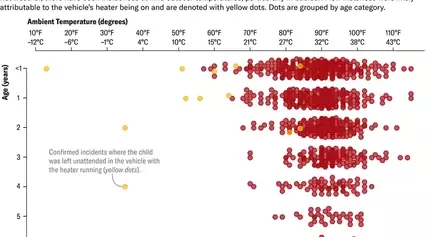
The science behind the rapid heating of a car's interior is both straightforward and alarming. As the sun's relatively short wavelengths penetrate the vehicle's windows, the air and surfaces inside absorb and radiate this energy as longer infrared wavelengths, effectively trapping the heat within the car. This greenhouse effect can cause the temperature to skyrocket, reaching dangerously high levels in a matter of minutes. Even on a mild 70°F (21°C) day, a car's interior can reach 113°F (45°C) in just an hour, posing a grave threat to any occupant, especially vulnerable children.
The Unique Susceptibility of Children
Children, particularly infants and toddlers, are especially susceptible to the dangers of hot cars. Strapped into car seats and unable to remove clothing or escape the vehicle, they are literally trapped in an increasingly hostile environment. As the child's core body temperature rises, the body's natural cooling mechanisms, such as sweating, become overwhelmed, leading to potentially fatal heatstroke. With a normal body temperature around 98°F (36.6°C), the onset of heatstroke can occur when the core temperature reaches 104-105°F (40°C), and can become life-threatening at 107-108°F (42°C).
The Tragic Paradox of Forgotten Children
Tragically, the majority of these hot car deaths, over 50%, occur when a caregiver simply forgets that a child is in the backseat. This phenomenon is rooted in the complex workings of the human brain, which has two independent memory systems. The basal ganglia, responsible for habitual actions, can take over during a familiar drive, causing the caregiver to go on "autopilot" and arrive at their destination without any recollection of the child in the car. This false memory can lead the caregiver to believe the child is safely at their intended location, only to realize the horrific truth later in the day.
Unraveling the Myths and Misconceptions
The public perception of these incidents often focuses on neglect, with the assumption that "it could never happen to me." However, the reality is that even the most loving and attentive caregivers can fall victim to this tragic oversight. Experts emphasize that it is a fundamental human flaw, not a reflection of one's character or parenting abilities. Overcoming this bias and acknowledging the potential for such lapses is crucial in addressing the problem effectively.
A National Epidemic with Global Implications
The issue of vehicular heatstroke is not limited to the United States; it is a global problem that has been documented in various regions, including Europe and South America. While the southern states of the U.S. tend to experience a higher incidence due to the longer hot season and more intense heat, no region is immune. From Alaska to New Hampshire, the tragic loss of young lives has occurred across the country, underscoring the need for a comprehensive, nationwide approach to address this crisis.
Tracking the Grim Toll and Advocating for Change
At the forefront of this issue is Jan Null, a lecturer at San Jose State University, who has meticulously maintained the most comprehensive U.S. dataset on pediatric vehicular heatstroke deaths. By painstakingly compiling data from news reports, Null has been able to shed light on the scope and patterns of this problem, providing invaluable insights for researchers and policymakers. His dedication to this "sad niche" has been instrumental in driving awareness and advocating for solutions to prevent these needless tragedies.
Multifaceted Strategies to Safeguard Children
Addressing the complex issue of hot car deaths requires a multifaceted approach, targeting various contributing factors. Experts recommend a combination of technological solutions, legislative actions, and public awareness campaigns to tackle the problem from multiple angles.The introduction of new car models with rear-seat reminder systems, which alert drivers to check the backseat, is a promising step forward. However, the widespread adoption of this technology will take time, necessitating the need for immediate, low-tech solutions in the interim.Awareness campaigns, such as "look before you lock" initiatives, encourage caregivers to develop habits and use visual cues to remember the presence of a child in the vehicle. Simple strategies, like placing a stuffed animal or work bag in the front seat as a reminder, can be effective in preventing these tragic lapses of memory.Legislative efforts, such as the passage of laws prohibiting the leaving of children in unattended vehicles, have also been implemented in some states. While the impact of these laws remains unclear, they serve to reinforce the seriousness of the issue and provide legal recourse in cases of negligence.Additionally, the enactment of "Good Samaritan" laws, which protect individuals who take action to rescue a child from a hot car, can empower bystanders to intervene and potentially save lives.
Bridging the Gap Between Awareness and Action
Despite the availability of various prevention strategies, the most significant challenge lies in bridging the gap between awareness and action. Overcoming the deeply ingrained belief that "it could never happen to me" is crucial in motivating caregivers to adopt preventive measures consistently. Experts emphasize the need for a cultural shift, where the acknowledgment of human fallibility and the potential for such lapses becomes the norm, rather than the exception.By fostering a collective understanding that even the most devoted and responsible caregivers can inadvertently forget a child in a car, the stigma and judgment surrounding these incidents can be reduced. This shift in perspective can pave the way for more open discussions, increased adoption of preventive measures, and a greater willingness to advocate for comprehensive solutions.As the fight to save lives continues, the dedication of individuals like Jan Null, who tirelessly tracks and shares data to drive change, serves as a beacon of hope. While the goal of eliminating hot car deaths may never be fully realized, the collective efforts to raise awareness, implement effective strategies, and foster a culture of vigilance can undoubtedly save countless young lives in the years to come.