F1 Mexican GP: Verstappen and Hadjar on the extreme challenge of active aero and altitude
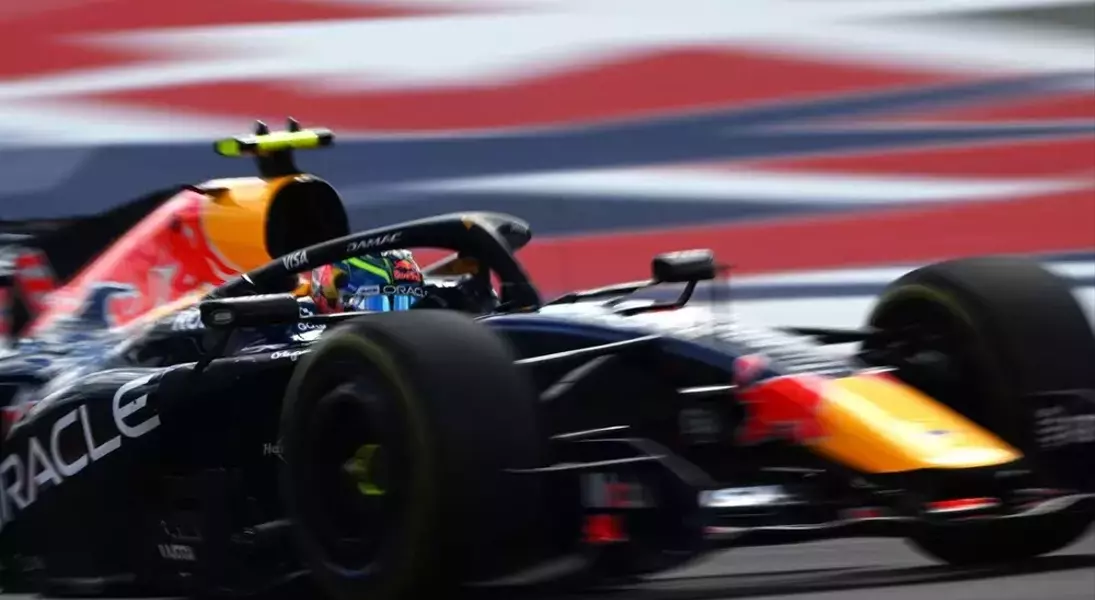
Conquering the Altitude: F1's Ultimate Test in Mexico
The Unique Demands of Mexico City's Altitude on F1 Cars
The Formula 1 weekend at the Autodromo Hermanos Rodriguez in Mexico City is set to test the mettle of drivers, engine manufacturers, and teams alike. This venue, situated at a considerable elevation of 2,286 meters above sea level, inherently imposes severe challenges due to the thin air.
Turbo Lag and Active Aerodynamics: A Double-Edged Sword
Discussions among pundits and drivers have largely centered on the impact of turbo lag, a factor exacerbated by the MGU-H's reduced effectiveness at high altitudes. The introduction of active aerodynamics further complicates matters. Traditionally, teams would adjust wing configurations to compensate for the thin air, mimicking high-downforce setups akin to Monaco, which in Mexico's high-altitude environment would still only generate downforce comparable to low-downforce Monza wings. However, current regulations restrict such adjustments, forcing teams to operate with a single wing specification, thus drastically reducing available downforce.
Drivers' Perspectives: Navigating the 'Slippery' Track
Max Verstappen emphasized the significant reduction in downforce, predicting a highly challenging race where cars will experience substantially less grip. He noted that this scenario places an even greater premium on low-speed performance. Isack Hadjar echoed these sentiments, anticipating a weekend of constant sliding, despite recent resurfacing efforts at the circuit that were expected to improve grip levels. He vividly described the sensation as "slippery as hell," underscoring the intensified struggle drivers face with contemporary car designs and limited aerodynamic flexibility.
Reliability Under Duress: A Critical Factor in Mexico
Beyond the immediate handling concerns, reliability emerges as a critical element. Hadjar pointed out that the extreme conditions will place immense strain on all components of the car—engine, tires, brakes, and cooling systems—pushing them to their absolute limits. This pressure adds another layer of complexity for teams striving for optimal performance.
Team Strategies and Engine Performance in Thin Air
While George Russell suggested that Ferrari might gain an advantage due to its smaller turbocharger, Hadjar maintained confidence in his own team, Red Bull. He noted Red Bull's consistent performance across various track types in recent races, expressing optimism about their competitive chances despite the unique atmospheric conditions. Verstappen concluded that drivers have limited direct control over these high-altitude effects, with much of the weekend dedicated to fine-tuning various aspects, from engine operation to cooling systems, to adapt to the track's extreme demands.