The Enduring Impact of a Postseason Betrayal: Miller Huggins and the 1922 World Series
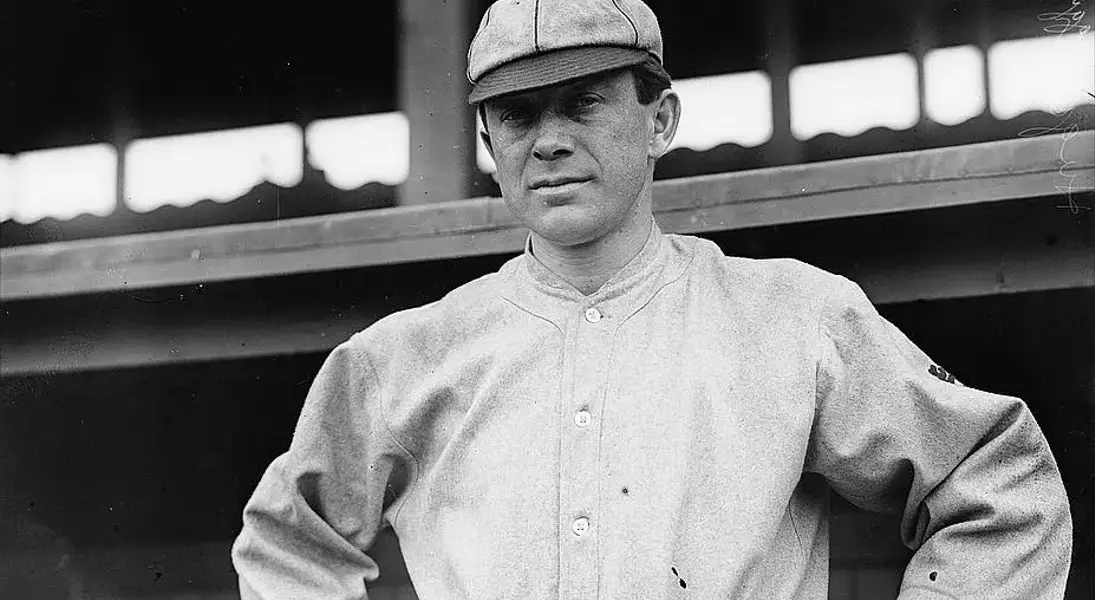
A profoundly impactful incident in the annals of postseason baseball history, distinct from celebrated moments like Reggie Jackson's home runs or Kirk Gibson's game-winning hit, transpired during the decisive eighth inning of Game 5 of the 1922 World Series. This event centered on an irreparable rift between New York Yankees manager Miller Huggins and his pitcher, Bullet Joe Bush. Bush's actions led to Huggins' public humiliation, deeply shaking his faith in his players, an emotional wound that Huggins reportedly never overcame. He once stated that while he would typically assist any former player in need, he made stark exceptions for Carl Mays and Joe Bush, declaring he would actively disregard their suffering.
Such a perspective, while psychologically detrimental, can be compelling. In the intricate dynamics of interpersonal conflict, public embarrassment significantly impacts both the spectrum of relationships—from friendship to animosity—and the perceived severity of the transgression. It often feels justifiable, even sensible, that such a profound slight could instantly sever a relationship. As the saying goes, being deceived once reflects poorly on the deceiver, but repeated deception indicates a more disturbing pattern. While forgiveness holds a place, certain offenses inflict such deep injury that they reveal a trusted individual to be a callous, self-serving entity, undeserving of prior confidence.
One might expect these emotional scars to fade quickly, yet an alternative approach involves fully immersing oneself in the pain. This can, at times, serve as a powerful motivator, but it also carries the inherent risk of personal devastation. Huggins was too engrossed in the demands of the regular season to succumb to such introspection, but the winter months offered ample opportunity. As a lifelong bachelor who occasionally resided with his sister, his pursuits were largely solitary. This isolation fostered significant time for contemplation and self-reflection, which, while potentially beneficial, in excess, can transform one's inner state from a refined vintage into something bitter and unpalatable.
Huggins was not entirely reclusive, however. Following his untimely passing, New York Times columnist John Kieran recounted, "He was not one to shake hands indiscriminately or to be overly gregarious. He maintained a reserved demeanor with strangers, a quiet one with acquaintances, only revealing his true self to his closest companions. With those he knew and cherished, Huggins cast aside all reticence. To the general public, he might have appeared a serious, even surly individual... but to those who knew him intimately, away from the public eye and across a dinner table, he was a completely different person. He was a ready and often witty conversationalist, a keen observer of human nature, an avid reader, and a man who was frank, amicable, and informal."
The intricate tapestry of human relationships, particularly in high-stakes environments, reveals how deeply trust and betrayal can shape an individual's outlook. Huggins's experience serves as a powerful reminder that while professional setbacks are common, profound personal slights can leave lasting imprints, influencing future interactions and perceptions. This narrative underscores the importance of resilience in the face of adversity and the ongoing human quest to navigate both professional challenges and personal integrity with grace and understanding.