Sabalenka's Grand Slam Journey: Triumphs, Toughest Opponents, and Lessons Learned
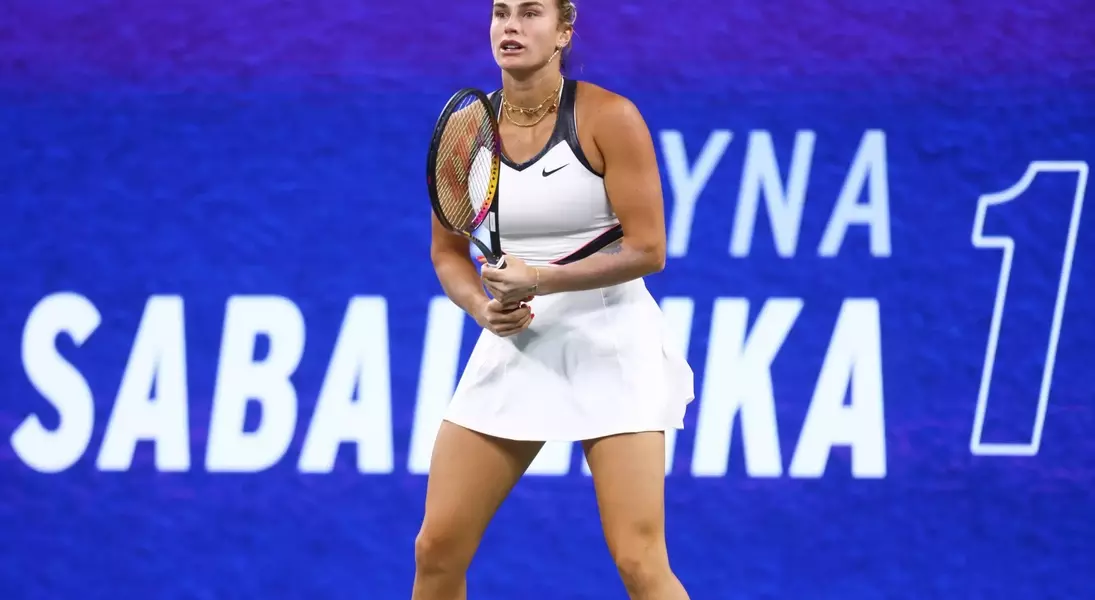
Aryna Sabalenka, the world's top-ranked tennis player, has recently shared insights into her formidable opponents and the emotional journey of her Grand Slam career. Following her second US Open title win, achieved by defeating America's Amanda Anisimova, Sabalenka opened up about the physical and mental challenges she faces on tour. She specifically identified Coco Gauff and Iga Swiatek as her most demanding physical rivals, highlighting their exceptional movement on the court. Beyond external competition, Sabalenka candidly admitted that her most significant mental adversary is herself, as each player presents a unique set of challenges that require constant adaptation and strength. This season has been particularly significant for Sabalenka, marking her first year reaching three Grand Slam finals and her second year making it to the semifinals of every major tournament.
Sabalenka's recent US Open victory holds particular significance, especially after experiencing two heartbreaking defeats in Grand Slam finals earlier in 2025. Her journey through the year saw her fall to Madison Keys in the Australian Open final and then to Coco Gauff at the French Open. Despite these setbacks, she also had a strong run at Wimbledon, reaching the semifinals before being defeated by Anisimova. These experiences, though tough, have clearly contributed to her growth, both as a player and emotionally.
During an appearance on the Jay Shetty Podcast, Sabalenka elaborated on her views regarding her toughest opponents. She articulated that the physical prowess of Gauff and Swiatek forces her to constantly rethink her strategy, often needing to 'rebuild' points that would typically be winners against other players. This relentless pressure demands immense physical endurance and mental fortitude. When asked about her toughest mental opponent, Sabalenka chose not to name a single individual, explaining that every player on the circuit brings a distinct challenge. To single out one would be to underestimate the varied skills and mental games of her competitors.
Reflecting on her latest US Open triumph, which marked her fourth Grand Slam title, Sabalenka expressed profound relief. She described the feeling of winning a major as "incredible," especially considering the struggles she faced throughout the season. The pain of losing previous finals, particularly when she was considered the favorite, made this victory exceptionally sweet. She admitted to not watching her lost finals, instead relying on her team to analyze her performance and identify areas for improvement. This strategic approach, focusing on lessons learned rather than dwelling on defeat, has evidently contributed to her evolution as a more controlled and improved player.
Sabalenka's candor about her challenges and triumphs offers a compelling look into the life of an elite athlete. Her journey underscores the importance of resilience, strategic adaptation, and self-awareness in achieving success at the highest level of professional tennis. Overcoming past disappointments and refining her game, she has emerged stronger, ready to face the diverse array of talent on the women's tour.